

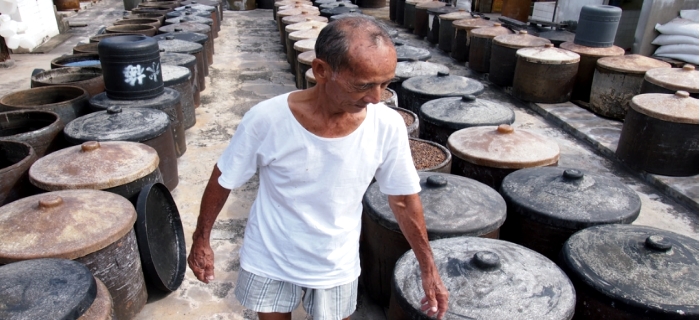

On your next visit to George Town, enjoy not only the delicious food and the nostalgic architecture. Do drop by and visit these people who are our living heritage.
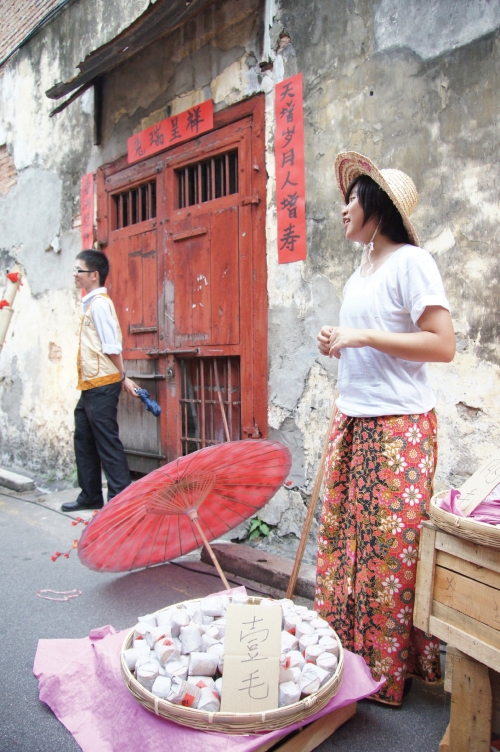
Heritage Skills in George Town
Text : Helen Lee Photos : Editorial Team
“……A unique architectural and cultural townscape without parallel anywhere in East and Southeast Asia.”—-UNESCO
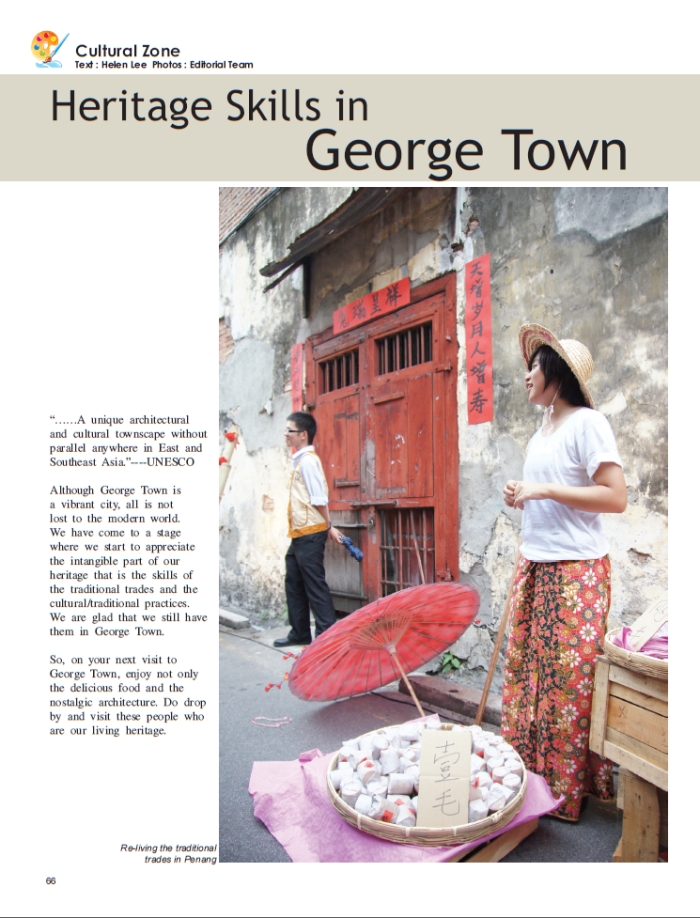
Although George Town is a vibrant city, all is not lost to the modern world. We have come to a stage where we start to appreciate the intangible part of our heritage that is the skills of the traditional trades and the cultural/traditional practices. We are glad that we still have them in George Town.
So, on your next visit to George Town, enjoy not only the delicious food and the nostalgic architecture. Do drop by and visit these people who are our living heritage.
Signboard maker
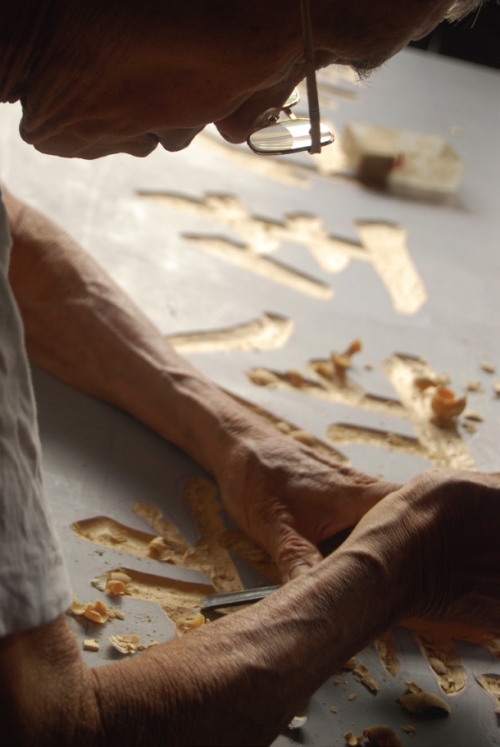
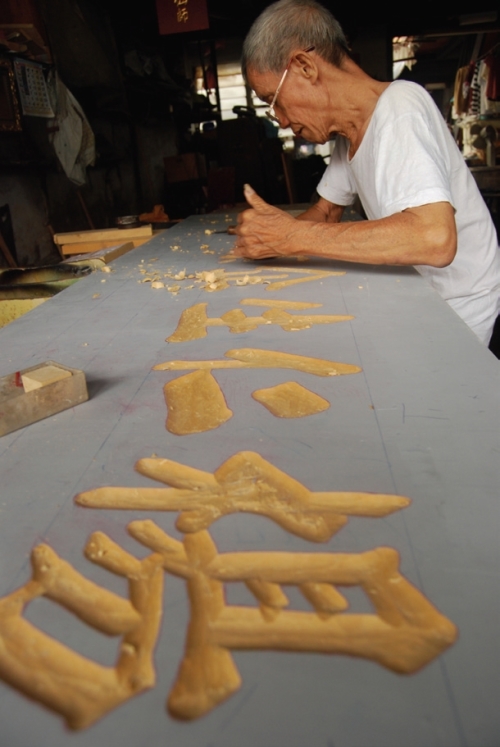
In one of the pre-war shops on Queen Street, you can find a traditional signboard maker. It is believed that the signboard maker, Kok is the only and last signboard maker in Penang. Kok has learned his skills from his late father. Engraving wooden signboard is not an easy task. It needs patients, skills, creativity and strength to engrave a wooden signboard.
However, hand-made wooden signboard is a twilight industry because nowadays machine operation can save costs and time. Each day, he carves the wood to create the best traditional signboard for his customers. To our younger generation, the wooden signboard is a decoration. To our ancestors from China, it is a way to preserve their tradition and identity after leaving China.
41, Lebuh Queen (11am-5pm)
Tombstone engraver
Another really amazing living heritage in George Town is the tombstone engraver.
Before the new technology and modern machines are introduced, the tombstone engraver used to engrave the stone with simple tools. The tombstone engraver carves and paints the tombstone manually. With due respect to the deceased, tombstone engraver carves the stone with the most faithful and devout attitude. In those days, there are many tombstone shops along the Lebuh Acheh. With no successor, the skill is difficult to preserve.
11, Lebuh Acheh (10am-12pm)
Songkok Maker
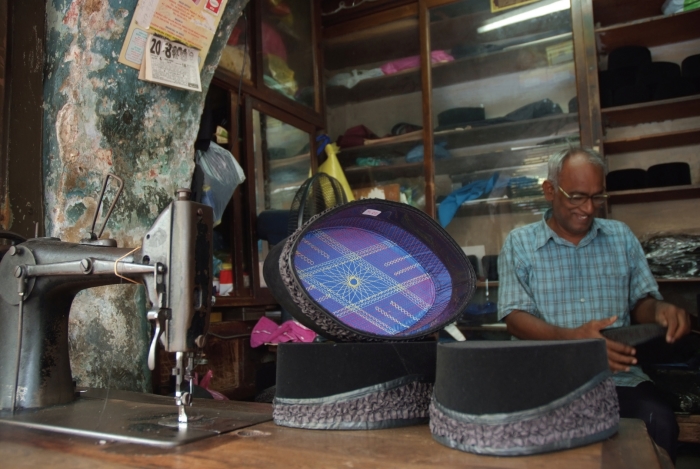
Haji Mohideen OSM Mohd Shariff, the traditional Songkok maker in Penang Island. He runs his small shop at Lebuh King. By using his own hand, he made traditional songkok for his customers. He does the sewing, cutting and putting all the materials together to make a songkok. It can be a normal songkok or customized songkok. He is more than just a tailor, he is a professional songkok maker. He cuts the velvet with his heart and patience. Therefore, he gets a good reputation for sewing and tailoring. His wonderful skill attracted a lot of customers.
157, Lebuh King(10am-5pm)
Handmade joss stick maker
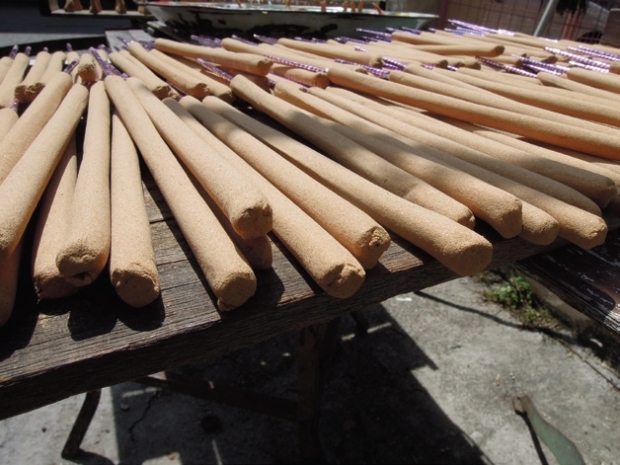
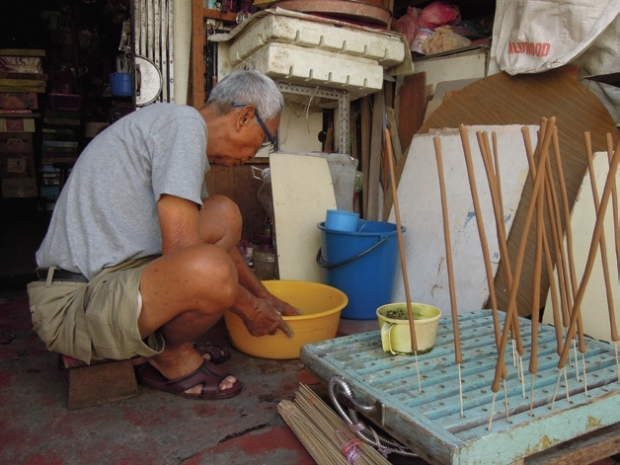
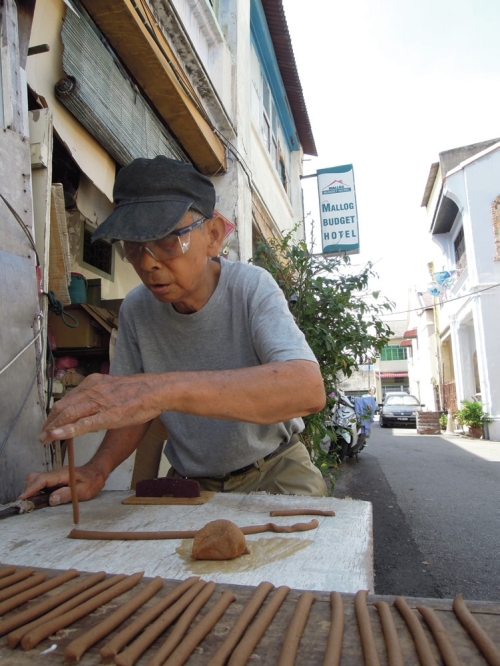
This traditional trade is closely related with the culture and religion of the Chinese. The handmade joss stick is a traditional living art and heritage. Unlike the commercial joss sticks in the market, Lee’s handmade joss sticks are made from imported sandalwood from Western Australia. He is insists on maintaining the quality of the joss sticks by mixing the ingredients by himself. He mixes the sandalwood powder and the binding agents with water, kneads them, roll them into short strands, mold into the required shapes and put on a wooden rack to dry under the sun.
1, Lorong Muda (8am-10am)
Spring roll skin maker (popiah skin)
Over 50 years of making the spring roll skin (also known as popiah skin), local folks and tourists love his handmade spring roll skin. From his late father, he learnt the skill of making spring roll skin. The delicacy food is very famous even attracts many food lovers to taste it. The spring roll skin wrapped with dried shrimp, yam bean, vegetables. The mixtures of the vegetables create a unique taste. That’s really yummy! Another way of eating the popiah skin is by wrapping it around a peanut candy and that’s equally good as well.
5, Jalan Chowrasta (8am-11am)

Goldsmith
In little India Penang, you can see many jewelry shops. The Indian goldsmith in Little Penang is the last goldsmith here. His family has been goldsmiths for four generations. Unlike modern machine-made jewelry, he makes every piece of work with his painstaking effort. The goldsmith job is not easy as we see. To make a piece of work, the procedure seems simple but time consuming. First, he melt the gold with high temperature, pours it into a mold. Then he starts shaping and cutting the gold according to the customers’ requirements. He works with a small table and traditional tools. That’s his daily life, day to day.
38, Queen Street (9am-5pm)
Ottu Kedai
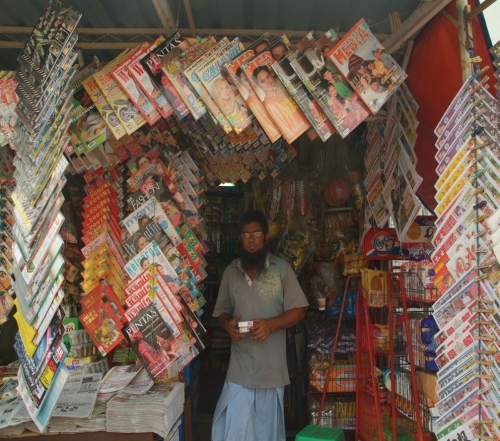
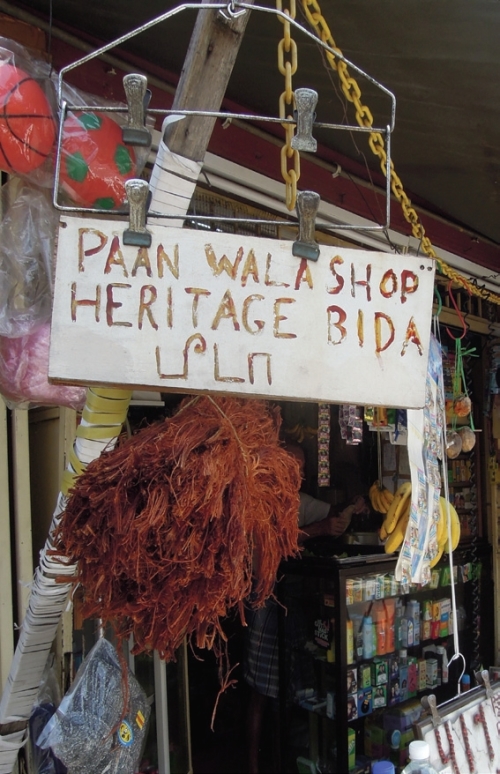
In little India, Ottu Kedai is another traditional trade which caters to the community. The little store is usually a hut propped against the wall. This was a concept from Indian immigrants who brought this concept from their rural villages in India. Ottu Kedai sells spice and some daily needs. The shop is a kind of grocery shop or convenient store for the locals. Although it is a small hut, you can find a lot of imported products from India. It is very conveniently located and locals can just drop in easily.
Lebuh Market (8am-7pm)
Thin Seng Sauce Factory
Thin Seng Sauce Factory is a traditional soya sauce factory in Kampung Malabar, George Town. The factory has been operating for decades, from the grandfather’s generation to the grandson. Although they faced many challenges and had to compete with large production factories, they still insist on making the best quality sauce. Local hawkers are still using the Thin Seng sauce to maintain the old familiar taste. This last traditional sauce factory in Penang is serving the local folks who long for a taste of traditon.
18, Kampung Malabar

Roti Benggali
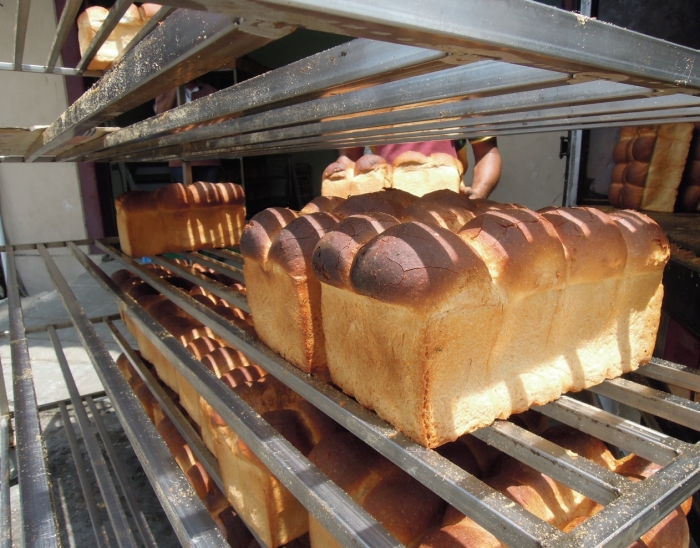
Having roti benggali with a cup of local roasted coffee or some curry, that’s the best combination for tea time. The fresh roti (bread) made in Islamlia Bakery is cheap and delicious. Evening time, the roti benggali sellers will take off to various places with a traveling bread bicycle or motorcycle. The locals in their neighborhood will wave and stop the roti-man to buy a piece of roti benggali or many other snacks hanging from the bicycle. I think that’s the best memory for the locals especially their childhood.
114, Transfer Road (8am-2pm)
source from TRAVELUTION Issue 17