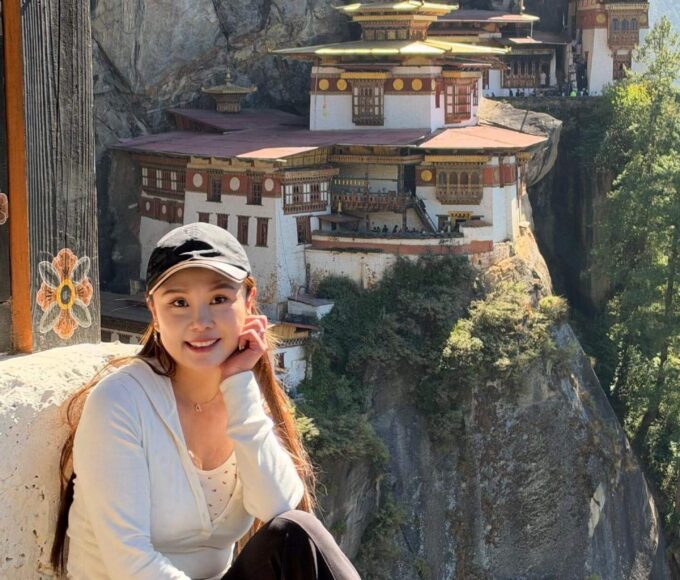


Bhutan is known as The Last Shangri-La and because the King himself wants to preserve this sanctity, Bhutan practices a semi-closed country policy. A Clean enviroment and being pollution free is Bhutan’s philosopy Bhutan strong in religious culture : peaceful and harmony.
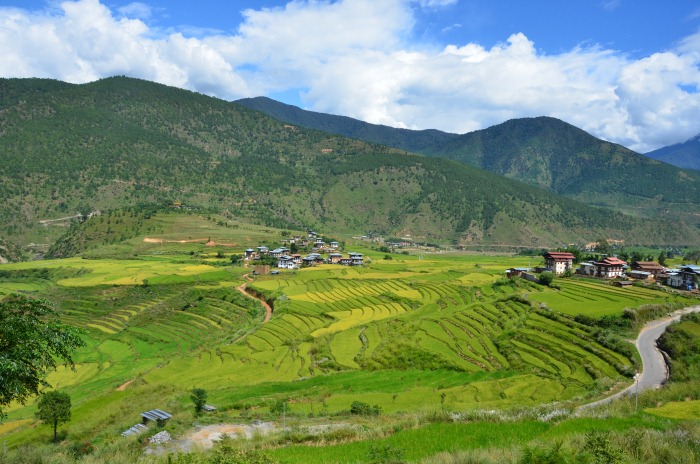
The Happy Country
The fourth king of Bhutan introduced a political reform that changes the government from being an absolute monarchy of over hundreds of years old into a constitutional monarchy. At the same time, at the golden age of 50 years old, the fourth King also announced that he would abdicate immediately and hand the throne over to his son who at that time, was not even 30 years old. Such actions however, brought positive response from all over the world.
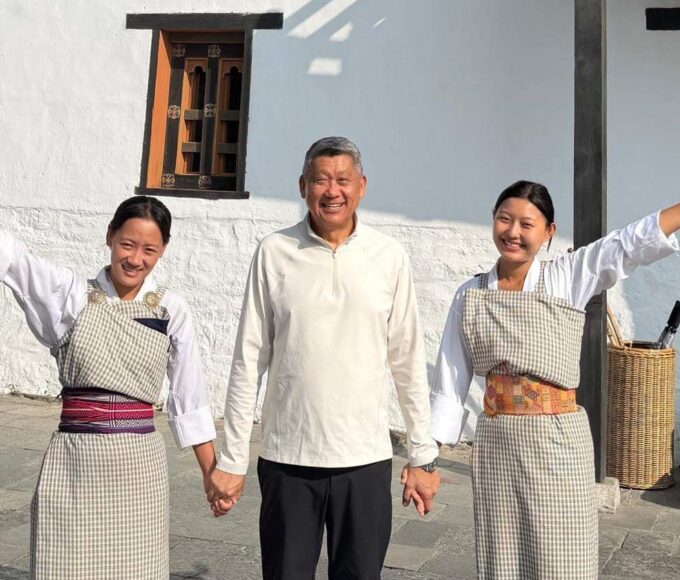
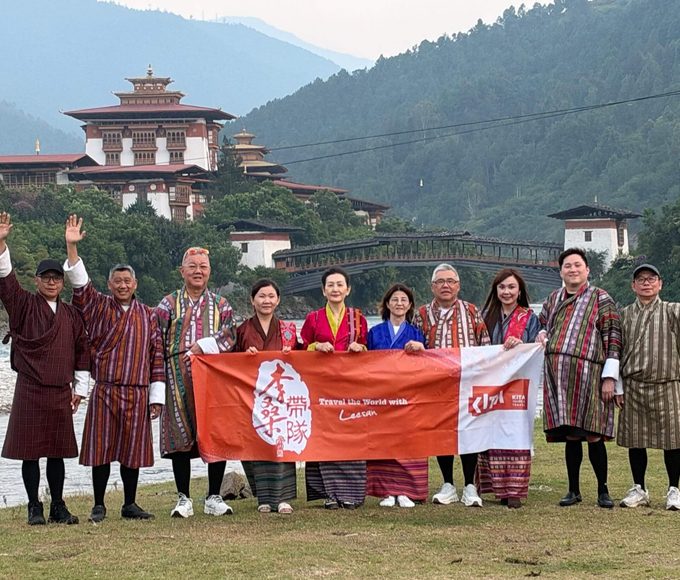
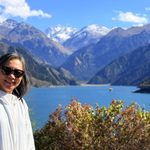
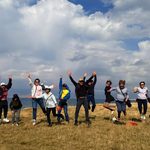
I was lucky enough to explore this beautiful land, made even more so by the smiles and joy of the Bhutanese. I truly enjoyed the time spent with them in the valleys of Bhutan. Bhutan’s nature is extremely stunning and the way the Bhutanese culture intertwines with their religion is mysterious and alluring.
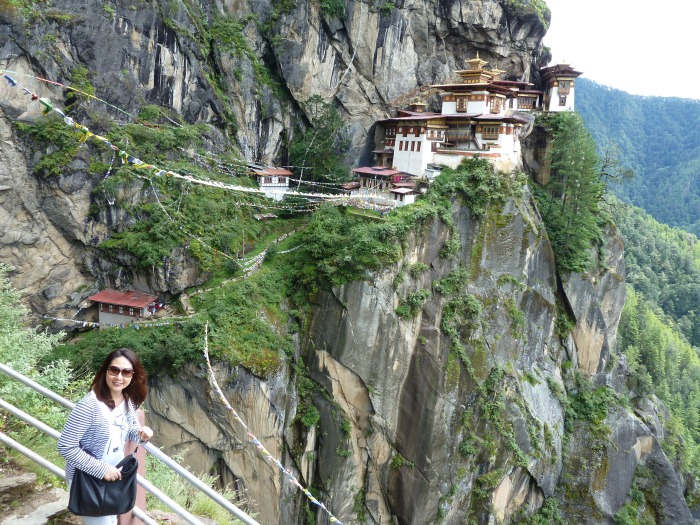
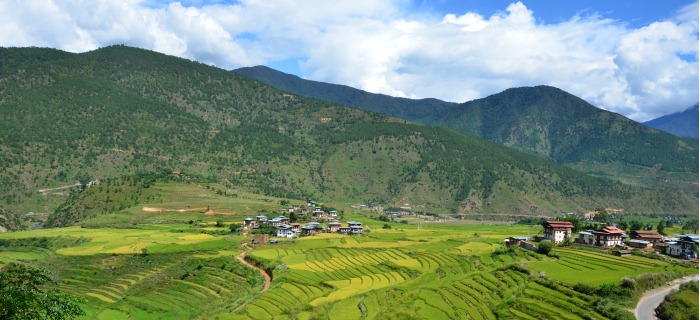
From the beginning, Bhutan was already like a paradise, isolated from the outside world as the country nestles within mountains 2000-4000 meters high, hidden deep in the forests. Bhutan is still very traditional in most aspects and this helps to maintain its pure, untainted atmosphere. In fact, Bhutan is known as The Last Shangri-La and because the King himself wants to preserve this sanctity, Bhutan practices a semi-closed country policy. A Clean enviroment and being pollution free is Bhutan’s philosopy Bhutan strong in religious culture : peaceful and harmony
Bhutan’s Facts of Life
•Bhutan is known as the happiest country in the world and is often referred to as The Last Shangri-La
•Bhutan is the first country in the world to ban the sale of tobacco. Tourists are only allowed to bring 200 sticks of cigarettes for own use.
•Although there is no limit to the number of tourists visiting Bhutan, every tourist is required to sign up with a Bhutanese tour operator and spend at least US$ 250 per day during their stay (multiplied by the number of nights). This is to avoid an influx of tourists that might cause cultural and environmental destruction.
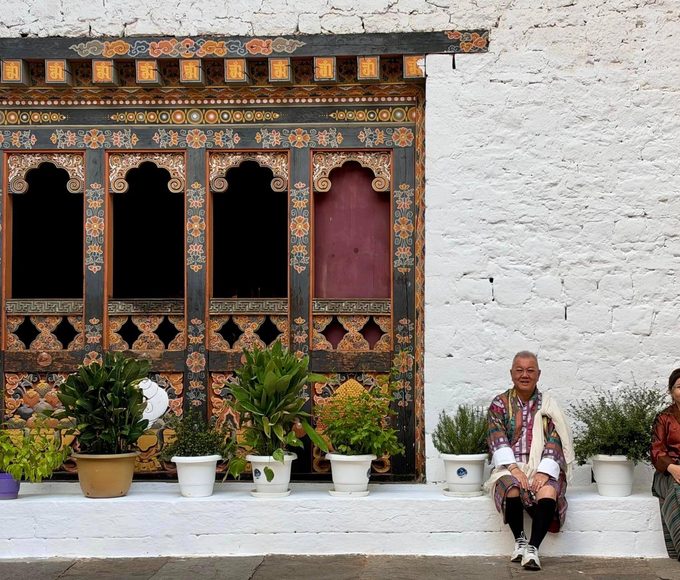
•90% of the Bhutanese wear traditional costumes, also their National Dress. The men wear Gho while the women wear Kira. This creates a very unique picture as you walk along the streets of Bhutan. Bhutanese are required to wear their National Dress from Mondays to Fridays. They are allowed to wear other costumes on Saturdays and Sundays.
•In order to protect the environment, only new cars are allowed in the country. Car import tax is 0 – 80%.
•The local government requires that all buildings must be not more than five storeys high and must all bear the same architecture. One would not know what a shop sells until he or she steps into the shop.
•There’s almost no killing of livestock in the pure land of Bhutan. More than 90% of the meats consumed are seafood imported mainly from India and Thailand.
•There are more than 100 thousand stray dogs in Bhutan and they are all taken care of by the welfare department and the local communities in the valleys.
•Trees are considered “alive” and therefore Bhutanese do not simply cut down trees. Two trees are planted to compensate for every tree that is logged.
•Bhutan is a member of the United Nations. However Bhutan limits its foreign relationships to just 24 other countries.